.e-con.e-parent:nth-of-type(n+4):not(.e-lazyloaded):not(.e-no-lazyload), .e-con.e-parent:nth-of-type(n+4):not(.e-lazyloaded):not(.e-no-lazyload) * { background-image: none !important; } @media screen and (max-height: 1024px) { .e-con.e-parent:nth-of-type(n+3):not(.e-lazyloaded):not(.e-no-lazyload), .e-con.e-parent:nth-of-type(n+3):not(.e-lazyloaded):not(.e-no-lazyload) * { background-image: none !important; } } @media screen and (max-height: 640px) { .e-con.e-parent:nth-of-type(n+2):not(.e-lazyloaded):not(.e-no-lazyload), .e-con.e-parent:nth-of-type(n+2):not(.e-lazyloaded):not(.e-no-lazyload) * { background-image: none !important; } }

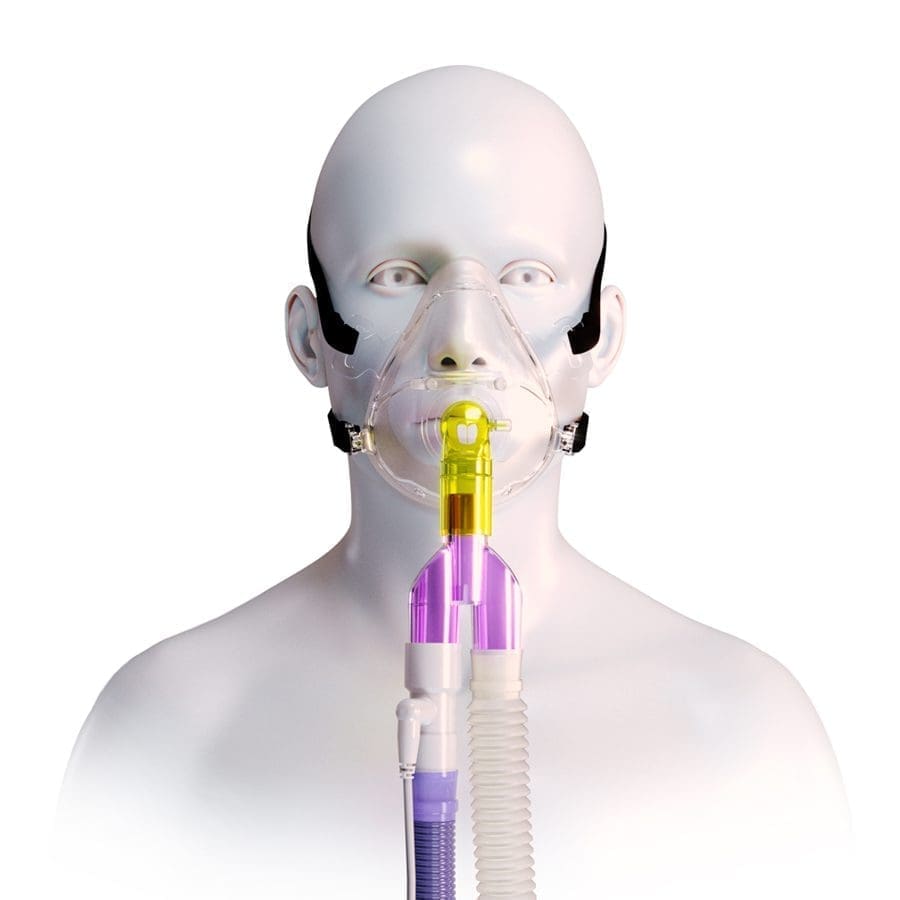
Continuous Positive Airway Pressure (CPAP) applies a set level of pressure to the patient’s airway – greater than atmospheric pressure – and continuously applied to the upper respiratory tract. Patients are conscious and capable of completing spontaneous respirations. Application of elevated airway pressure, throughout the inspiratory-expiratory cycle, is intended to prevent alveolar collapse and to reduce the work of breathing in patients with impaired respiratory function or respiratory disease.
Select a mode: